How Does TikTok Make People Trust a Brand So Fast?
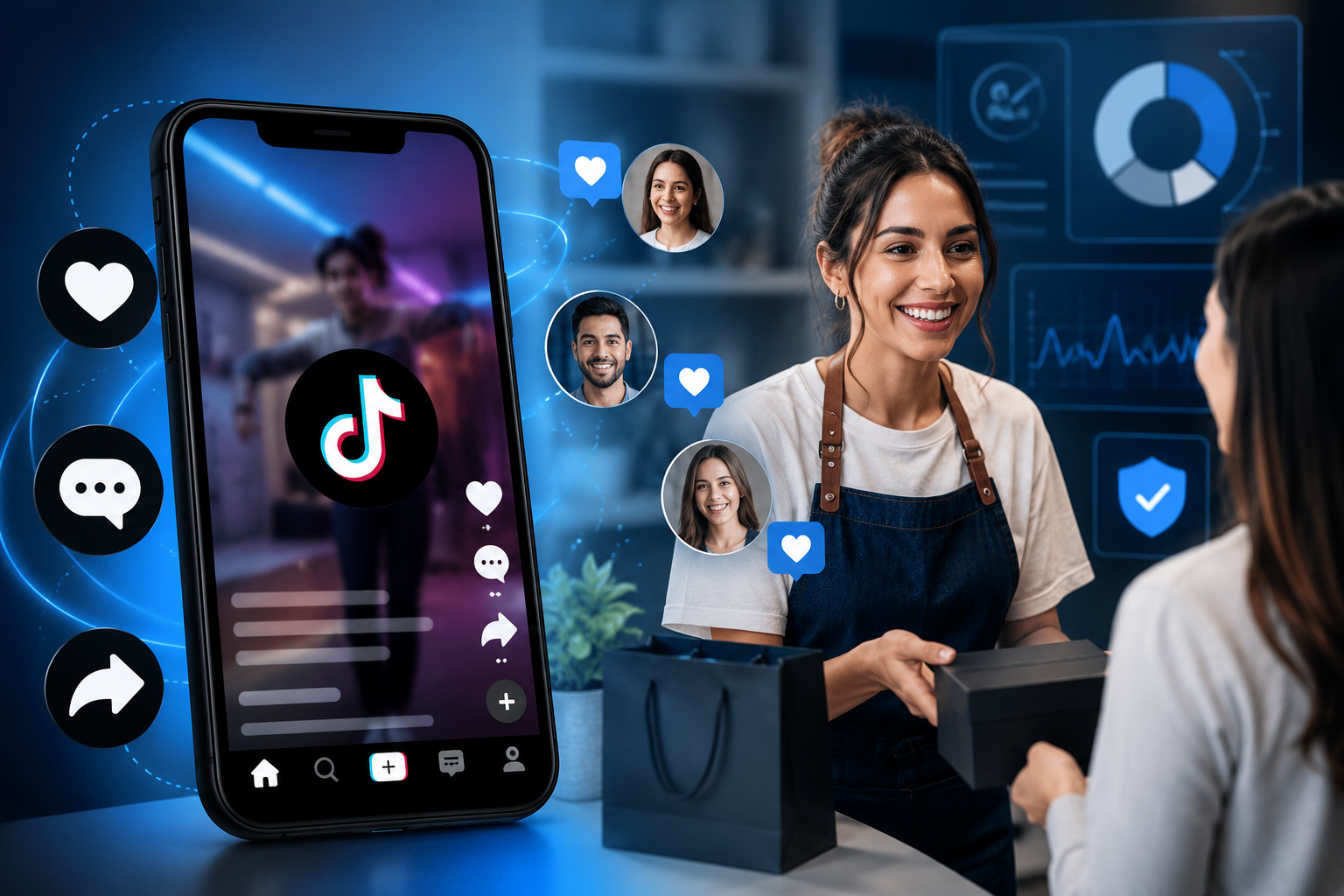
Brands are discovered and trusted by customers and have been revolutionised by TikTok. Although traditional advertising relied on controlled narratives and refined communication, TikTok operates on a different tenet: trust is earned through authenticity, community validation, and real-time interaction rather than through production values. According to research, 75% of TikTok users consider creator content more reliable than traditional advertising, and 65% have purchased something they serendipitously discovered on the site. Brands can establish trust at never-before-seen rates thanks to the platform’s amazing combination of social commerce, creator-driven material, and algorithmic discovery. A well-implemented TikTok Shop Marketing Strategy utilises these dynamics to turn casual viewers into loyal customers more quickly than any other channel for companies hoping to capitalise on this. People may rapidly trust a company thanks to TikTok in this manner.
The idea of genuineness has changed from a feeling to actual proof.
Users of TikTok in 2026 are actively evaluating brands rather than just being entertained by them. From being unpolished and raw to being transparent and verifiable, authenticity on TikTok has changed. Content that showcases a flawless product now generates suspicion rather than desire. Users are interested in seeing how something works in real life rather than an idealised version. Brands that enable creators to convey nuance, such as saying “this didn’t work for me at first” or “this is fantastic, but only if you need X,” establish more trust than those that offer flawless, rehearsed results.
Traditional advertising is not as effective as creator content.
The numbers speak for themselves: three-quarters of TikTok users claim that they put more faith in content created by creators than in conventional brand advertising. This confidence directly affects purchasing behaviour. Their endorsements have the power of personal recommendation, and creators are considered to be approachable friends rather than compensated spokespersons. On the basis of authenticity and trustworthiness, the platform’s content quality standard expressly evaluates commercial material, demanding that it be credible, natural-looking, and based on real product usage.
Instant Credibility Is Gained Through Social Proof From the Crowd
Consumers place almost as much faith in signals of popularity from the throng as they do in recommendations from friends and relatives. Visible engagement indicators, such as follower numbers, likes, and shares, serve as powerful heuristics for authenticity on TikTok. New customers are more likely to put their faith in a brand or product that seems to have a devoted fanbase. Numerous studies, according to one analysis, indicate that individuals are much more inclined to express interest in something that is currently well-liked by others, creating a self-reinforcing loop of trust and engagement.
Beyond the Platform, the Halo Effect Builds Trust
When a brand is trusted and discovered by customers on TikTok, that trust transfers over to other platforms. According to a geo-lift test conducted for Fenty Beauty, TikTok Shop had a halo effect that led to 6. 7 times more sales than on-platform purchases, with the owned. com platform having almost twice the impact of all other halo channels put together. It’s important to remember that over a third of the additional sales were made by new clients, highlighting TikTok’s ability to attract and convert consumers. This demonstrates that trust gained via TikTok spreads to other buying environments, making it a strong entrance for client connections.
Perceived Reliability Is Improved by Algorithm-Driven Personalisation
According to studies, users’ perceptions of content credibility and their sense of social presence are greatly affected by TikTok’s algorithm-driven recommendations. Users are more likely to trust information that seems tailored and personally relevant to them. Traditional broadcasting cannot match the impression of relevance created by the algorithm’s capacity to highlight information that is consistent with user interests. This level of customisation transforms the brand’s content into something that resembles a suggestion from a dependable source more than an advertisement.
It is Important to Check and Credentials of the Creator.
According to academic studies on trust in TikTok content, verification in particular is positively correlated with increased trust among TikTok users. By telling users that the creator has been approved, the verification badge works as a reliability shortcut. This finding has practical consequences for companies, since cooperating with validated producers and guaranteeing the clear identification of content sources may speed up the process of establishing trust. Content that comes from profiles with apparent trustworthiness indicators is more likely to be trusted by users.
Conclusion
TikTok builds brand trust more rapidly than other platforms since it operates on a fundamentally different logic: trust is gained via demonstrable authenticity, community validation, and direct interaction with user concerns. Creator-driven stories convey the impact of peer recommendations rather than corporate messaging, while the platform’s algorithm surfaces content that seems personally relevant. According to one study, customers are actively assessing brands in 2026, and TikTok is where that evaluation takes place. Brands must be open, support designers, and proactively answer user concerns and questions in order to quickly earn confidence. On TikTok, trust is not given; it is proven. Therefore, brands that let their goods be publicly tried, questioned, and validated are the ones that succeed.