Do Slimming Peptides Really Help With Weight Loss
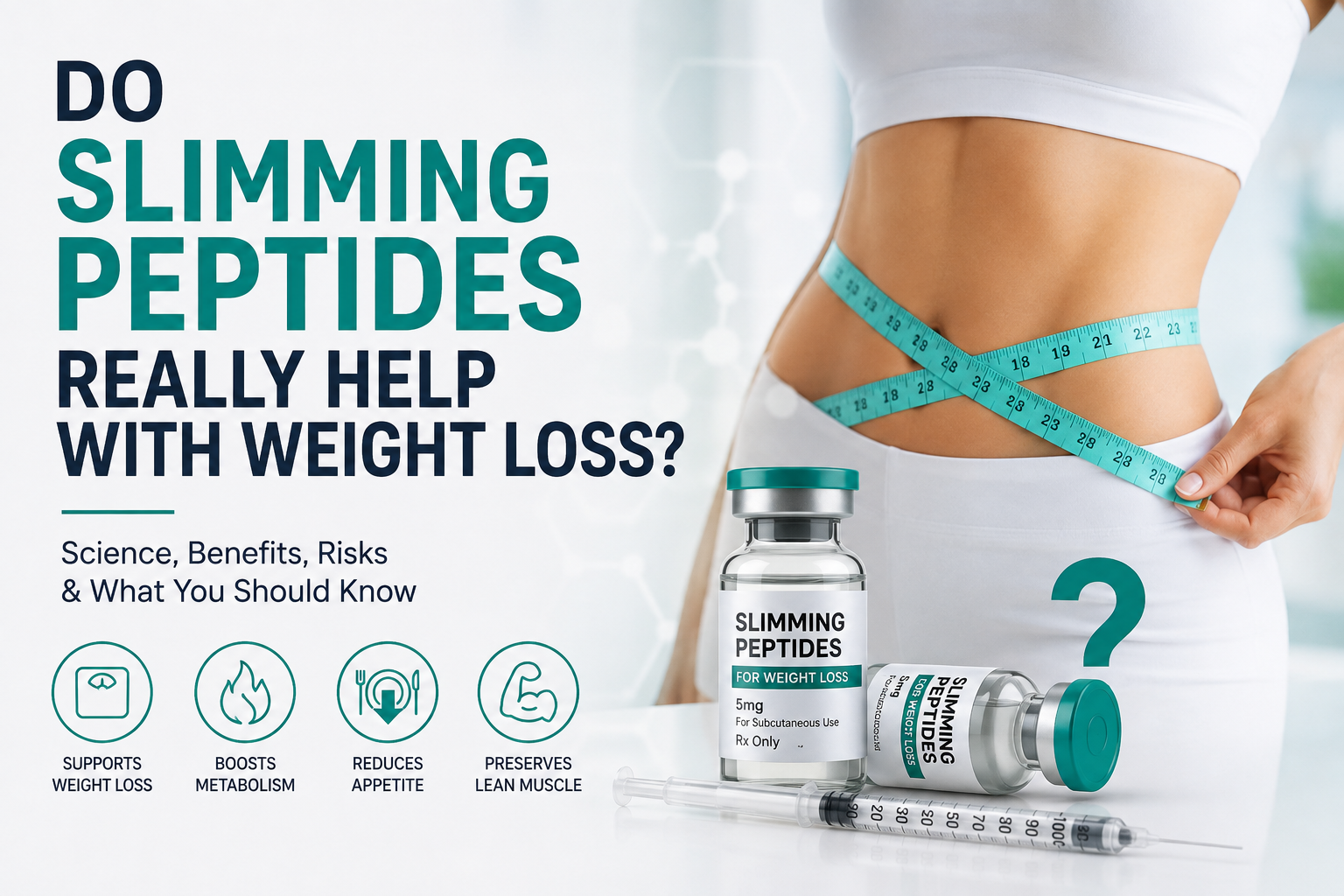
The opinions of individuals on controlling resistant weight and treating obesity have changed due to the growing interest in Peptides For Weight Loss. The miracles they produce often appear in the online realm, labelled as “slimming peptides, and have captured much attention. However, are these treatments merely some form of weight-loss fad, or do they truly work? Owning a business brings more to it than just a yes or a no. While peptide drugs are prescription medications and come with certain benefits, side effects, and restrictions, a number of peptide medications may lead to notable weight reduction.
Slimming Peptides: What Are They?
Small amino acid sequences called peptides can function as signalling molecules in the body. Some naturally occurring peptides affect the regulation of blood sugar, metabolism, hunger, digestion and more. But the term “slimming peptides” is not precisely a medical term. It is often used electronically to refer to a compound used for research purposes or a peptide-based drug which has been designed for weight management. Not all of these offer scientific support for their use, while others are researched and have been proven to be effective drugs. This is significant because some products that are labelled as peptides for weight loss have proven to be safe and/or effective.
What Steps Do Weight Loss Peptides Take In Weight Loss?
Some of the most popular medications for weight loss work by imitating hormones that control blood sugar and hunger. Semaglutide, for example, represents a mimicry of another hormone called glucagon-like peptide-1 or GLP-1. Both GLP-1 and GIP receptors are affected by tirzepatide. These medications alter appetite and the amount of food consumed, which can lead to earlier satiety and the consumption of less food in the patient. The GLP-1 and GIP receptors may decrease appetite and food consumption, which is why tirzepatide can induce this effect, the FDA notes. Basically, these medicines don’t burn fat out of your body in a legendary manner. They can, however, modify some of the biological factors that impact mood, desire, and food behaviour.
Do Peptides Really Lead To Weight Loss?
Absolutely, with several prescription peptide-derived drugs, there is a significant amount of weight loss that can happen. Some treatments have proven themselves to have stronger evidence than others, via clinical studies. In one 72-week clinical trial, for example, nearly 15 per cent of participants lost weight with torzepatide 5 mg, 19.5% with tirzepatide 10 mg and 20.9% with tirzepatide 15 mg when combined with a low-calorie diet among people with a BMI-related medical condition who were obese or overweight. The figures are important, but do not represent a guarantee. Risk results from averages of clinical trials so results from owning a specific device do not ensure a similar weight loss for an individual.
The Reasons For These Drugs Being Very Effective.
They have been of great interest because they address biological hunger a problem common with eating, which is a problem familiar to a lot of people. When the body is restricted in calories, it can ramp up its appetite and weight control can be more difficult. Some of that weight loss pressure can be taken off with appetite suppressants. This does not mean that diet is no longer a requirement. The National Institute of Diabetes and Digestive and Kidney Diseases states that weight loss medications are best used along with a good diet and physical activity.
Is A Weight Loss Peptide Identical To Other Weight Loss Peptides?
Not at all. This is one of these things that consumers need to be mindful of. It is important to note that there are pills such as tirzepatide and semaglutide that have proven efficacy in the correct patients. Considerably less proof might be available for other substances being sold as “fat burning peptides” online. Eating products that claim to be research proteins and/or pro weight loss injections are also being sold on various websites. Not everything with the label peptide is safe, effective or fit for human consumption.
| Also Read: Tips To Prevent Unexpected Dental Problems |
Who Will Benefit From Weight Loss Pills With Peptides?
Some of these prescription drugs are targeted towards individuals with “overweight” or “obesity” as a medical condition, not those looking to drop a few pounds. The NIDDK says adults with a BMI over 30 can get weight-control medications, or those with a BMI at or above 27 if they have conditions related to weight. But BMI is just one element of the choice. Based on medical history, current situation and other medications, family history, potential benefits, side effects and cost, a healthcare provider may consider these factors.
Are There Any Adverse Reactions That Should Be Looked For?
The impact on weight loss with these drugs may appear too good to be true, but they are still drugs and have potential side effects. A very frequent side effect of GLP-1 type drugs is stomach pain. Constipation, nausea, vomiting, indigestion and other digestive problems may occur, particularly if doses are in a state of adjustment. A skilled healthcare professional should prescribe and oversee these medications since some people might have more serious consequences. Factors of the individual drug and the patient’s health also determine the risks that may arise.
Final Words
Although they can be a helpful instrument for losing weight, slimming peptides are not a cure. There’s strong clinical evidence that using some of these prescription drugs, appropriately, they can also help individuals lose a significant amount of weight. The long-term effects, side effects, and results, however, can vary from person to person.