How Waste Segregation Supports Better Recycling Results
Every piece we toss away has a story that does not begin at the bin. A plastic bottle can be used to make a new product, cardboard may be be turned into fresh packaging, and metal can be recycled again and again. But this is only possible if waste is handled properly from the start. One of the easiest habits with long-term environmental benefits is waste segregation. Separating rubbish into the correct categories helps recycling systems work more efficiently at homes, schools, workplaces, and construction sites. If you are managing a major clean-up or renovation, choosing to Hire Large Skip services makes it much easier to keep different types of waste separate. This reduces the amount of rubbish sent to landfill, saves valuable resources, and lowers contamination. Understanding how waste segregation works helps both individuals and businesses make smarter choices that benefit the community and the environment.
Learn What Waste Segregation Actually Entails
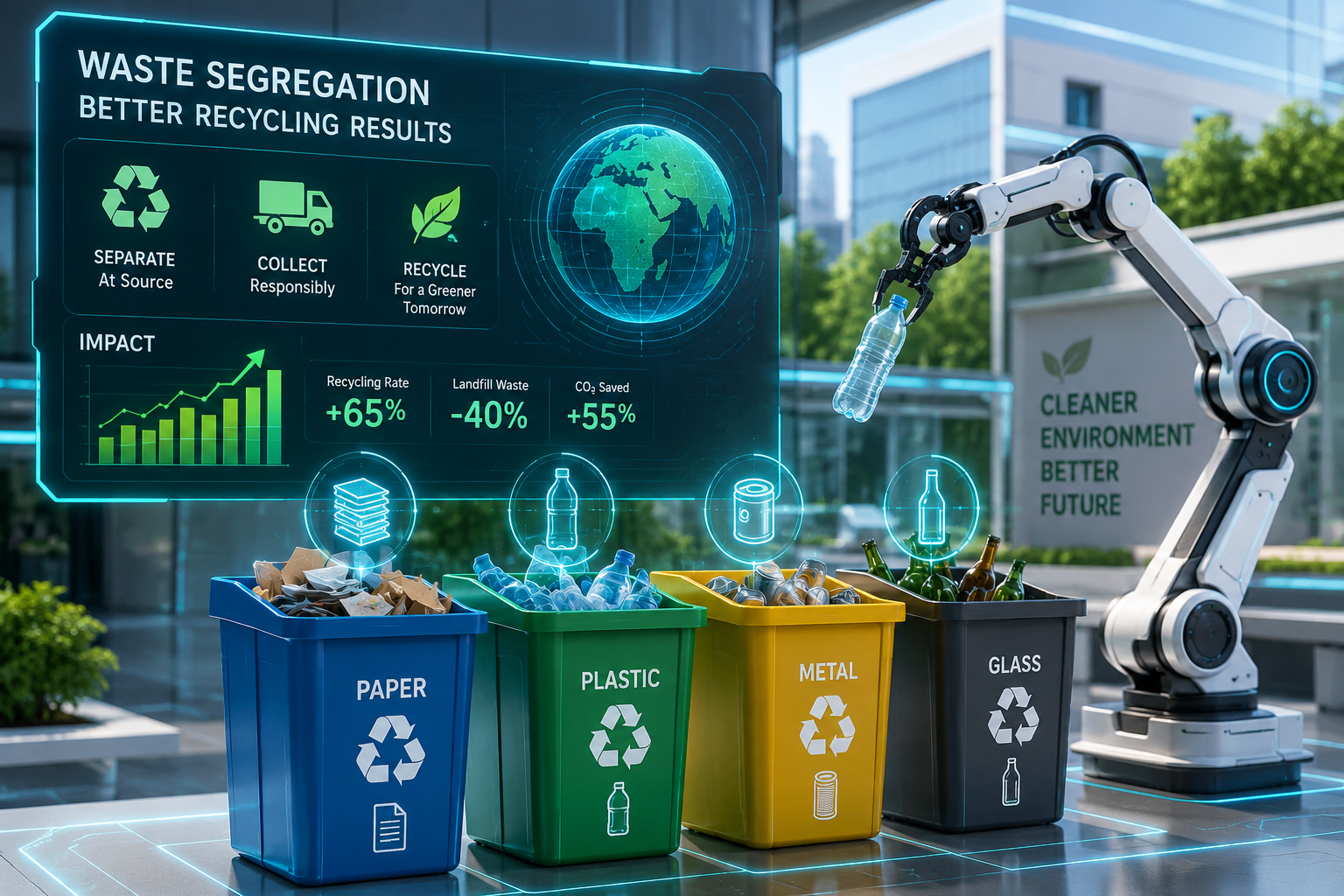
Waste segregation is the separation of several categories of garbage before disposal. Instead of putting everything in one container, materials are divided into types like paper, plastic, glass, metal, food waste, and general waste. This easy procedure helps one to reuse quite naturally. Recycling centres get purer supplies that may go right into processing. Less time spent arranging mixed trash by workers also helps to lower operating expenses and boost output. Naturally, recycling rates rise when segregation becomes a regular habit.
Stop Recyclable Materials From Becoming Contaminated
Recycling suffers from contamination as one of its biggest problems. One food-stained pizza box or a plastic bottle full of liquid might contaminate a whole batch of recyclable items. Maintaining their quality depends on recyclables kept apart and clean. For producers using recycled materials, clean materials are more valuable and simpler to process. By washing containers, flattening cardboard, and putting every item in the right bin, homes and companies can help to lower pollution. Little things really count.
Cut The Quantity Of Trash Sent To The Landfill.
Since so much recyclable material ends up combined with general trash, landfills keep expanding. Recyclable materials usually cannot be recovered once they get contaminated. Good garbage separation helps to keep useful materials out of landfills. Recycling initiatives let one reuse glass, paper, aluminium, steel, and a lot of polymers. Cutting landfill trash lowers dangerous greenhouse gas emissions and benefits future generations by helping to conserve natural environments.
Make Recycling More Efficient For Every Person
When trash comes pre-sorted, recycling facilities run more efficiently. While employees face fewer challenges during sorting, machines can handle materials faster. Good recycling methods use less energy and help to lower general processing expenses. This lets recycling centres, trash management firms, and councils process more volume without compromising quality. Structured trash management also helps companies working in construction or remodelling. Many choose to rent Big Skip containers to separate general waste from recyclable construction supplies, making site management more effective and organised.
Save Natural Resources By Means Of Improved Recycling
Every recycled item helps to lower the need for fresh raw materials. Recycling paper saves trees. Compared to making fresh metal, recycling aluminium conserves great quantities of energy. Steel and glass can also be recycled over and over again without losing quality. By guaranteeing that useful materials stay fit for reuse, waste segregation helps to sustain this cycle. Companies may make goods with recycled material rather than using more natural resources.
Promote Good Habits At Work And Home
Waste segregation goes beyond recycling facilities and bins. It also inspires different thinking regarding consumption and disposal. Families may show their kids from a young age how to properly separate rubbish. Offices can provide tagged recycling stations to help staff members to easily dispose of their rubbish. Recycling is important, so schools could set up educational events to help to explain this.
Help Create Better, Healthier Surroundings.
Badly handled rubbish draws pests and causes unpleasant environments. Improper trash disposal can also damage green areas, soil, and rivers. Separating garbage keeps public areas and streets neater. While recyclable items stay inside the production cycle, organic waste can be composted instead of degrading in a landfill.
Make Waste Management More Cost-Effective
Sorting trash at the source usually lowers the cost of disposal. Recycling useful items helps to minimise overall trash needing landfill treatment, therefore lowering collecting and processing costs. Good waste separation companies typically help to satisfy environmental rules more readily and help to organise the workplace. Clearly marked garbage streams that make dumping easier also help businesses, warehouses, and building sites. Communities may spend more money on environmental improvements instead of controlling preventable trash issues as recycling processes grow more effective.
Conclusion
One of the simplest yet most efficient approaches to raise recycling results is waste segregation. Proper material segregation helps us to lower pollution, save valuable resources, cut down on garbage going to landfills, and make communities better. Every house, school, business, and building site can have a good influence through easy daily activities.