What Is Ajansy? Turkish Digital Agency Explained & Lessons for Marketers (2026)
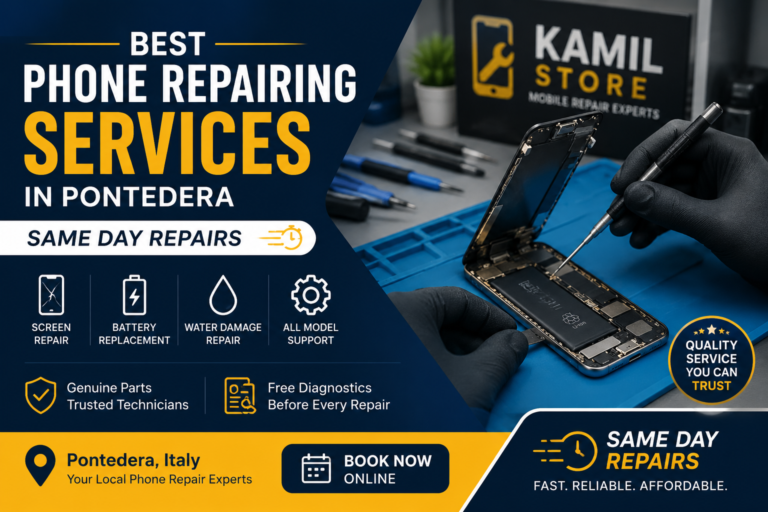
Ajansy (styled AjanSY) is a digital advertising and software agency based in Izmir, Turkey, that provides a full-service stack for businesses: Google Ads management, social media advertising, search engine optimization (SEO), corporate website development, mobile applications, e-commerce site builds, and bulk SMS and email marketing. The name itself comes from the Turkish word “ajans,” which simply means “agency,” and searches for Ajansy have been rising as the agency’s name circulates in marketing discussions and as interest in Turkey’s fast-growing digital economy spreads beyond its borders.
If you have come across the name and want to know what Ajansy actually is, what it does, and, more usefully, what its full-service model can teach any business owner or marketer about structuring digital growth, this guide covers all of it. I will explain the agency’s background and services, break down why the integrated agency model it represents has become the dominant trend in digital marketing, look at the Turkish digital market context that shaped it, and finish with practical takeaways you can apply whether or not you ever work with a Turkish agency.
Transparency note: This is an independent editorial guide. We have no affiliation with Ajansy, and this article is informational analysis, not a sponsored feature or endorsement.
What Is Ajansy Exactly? (Quick Answer)
Quick answer: Ajansy is a Turkish digital advertising and software agency headquartered in Izmir that combines marketing services and software development under one roof. Its publicly listed services include Google Ads (Adwords) campaigns, social media advertising, SEO, corporate website design, mobile app development, e-commerce site development, and bulk SMS and email marketing. What distinguishes the model is the pairing of marketing with software integration work, connecting e-commerce platforms, accounting tools, and online marketplaces, so clients get operational infrastructure along with visibility.
One disambiguation worth making: a separate “Ajansy Technology Portal” operates in Kenya under a similar name, and unrelated social media profiles share the spelling. In marketing contexts, Ajansy refers to the Turkish agency, which is the subject of this guide.
The Meaning Behind the Name
There is a small linguistic detail here that doubles as a branding lesson. “Ajans” is the Turkish word for agency, borrowed from the French “agence.” So Ajansy is, almost literally, named “Agency” — a generic, category-defining name in its home market. Turkish digital firms commonly build brands around the ajans root (you will find many agencies with ajans in their names), the same way English-speaking markets are full of companies with “digital” or “media” in theirs.
For non-Turkish audiences, this explains something keyword tools show: searches around “ajansy” and “ajans” mix brand-specific queries with generic agency-related queries from Turkish speakers. If you are a marketer researching this keyword, that blended intent is part of the picture.
What Services Does Ajansy Offer?
Based on the agency’s public listings, its service stack covers both sides of digital growth, the marketing side and the infrastructure side:
Marketing Services
- Google Ads management: Paid search campaigns on Google, the backbone channel for intent-driven customer acquisition.
- Social media advertising: Paid campaigns across social platforms, plus social media management.
- SEO (search engine optimization): Improving organic visibility in search engines over time.
- Bulk SMS and email marketing: Direct-response channels that remain unusually strong in the Turkish market, where SMS marketing is still widely used and effective.
Development and Infrastructure Services
- Corporate website development: Business websites built as the foundation of a company’s digital presence.
- E-commerce site development: Online stores, a critical service in Turkey’s crowded e-commerce landscape.
- Mobile application development: Native apps for businesses extending beyond the web.
- Software integrations: Connecting e-commerce platforms with accounting tools and online marketplaces so that orders, inventory, and finances flow through one system.
That last item is the strategically interesting one, and it is the reason Ajansy makes a useful case study rather than just another agency listing.
Why the Full-Service Model Matters (The Real Lesson)
Here is the insight that studying agencies like Ajansy makes concrete: marketing performance is capped by the infrastructure behind it.
Most businesses treat these as separate worlds. They hire one freelancer for ads, another for the website, use disconnected tools for inventory and accounting, and then wonder why growth feels chaotic. The integrated agency model attacks that fragmentation directly:
- Ads and landing infrastructure are built by the same team. When the people running your Google Ads also built your website, campaign pages load fast, match ad messaging, and convert better. The single biggest waste in paid advertising, sending expensive clicks to weak pages, gets engineered out.
- E-commerce operations feed marketing decisions. When your store, marketplace listings, and accounting are integrated, you know true margins per product. That means ad budgets can chase profit, not just revenue, a distinction that separates sustainable stores from ones that scale themselves into losses.
- One accountable partner. Fragmented vendors blame each other when results dip. An integrated stack removes the gaps where accountability disappears.
- Retention channels are wired in from day one. SMS and email lists get built and used systematically instead of being an afterthought, and in markets where SMS open rates remain high, that is a serious revenue channel.
You do not need to hire a Turkish agency to apply this. The takeaway for any business is an audit question: do my marketing and my operations actually talk to each other? If your ads, website, store, and accounting live in disconnected silos, fixing that connection will usually beat spending more on any single channel.
The Turkish Digital Market Context
Understanding where Ajansy operates explains why its model looks the way it does, and offers a window into one of the world’s most interesting digital economies.
Turkey has a young, heavily online population and one of the most competitive e-commerce environments outside the largest global markets. Local platforms dominate alongside global ones: Trendyol and Hepsiburada in e-commerce, N11 as a major marketplace, and Sahibinden as a classifieds giant. Businesses commonly sell across several of these marketplaces at once, which makes the integration problem, keeping inventory, orders, and accounting synchronized across platforms, a daily operational reality rather than a nice-to-have.
That environment produces agencies that bundle software work with marketing, because clients selling on three marketplaces plus their own store cannot function otherwise. It is a useful reminder for marketers everywhere: agency models evolve to fit their market’s actual pain points. Watching how agencies in other markets structure their services is a legitimately good way to spot where your own market is heading.
Ajansy and the Rise of Trending Brand Keywords
There is a second, meta-level lesson in this keyword worth sharing, because this blog covers SEO and our readers will appreciate the honesty.
When a smaller brand’s name starts showing search volume internationally, the SERP around it often fills quickly with thin, promotional, or low-quality articles, sometimes placed through guest posts and link-building campaigns rather than organic interest. Searchers then find pages that describe the brand in vague superlatives without verifiable specifics. You may have noticed this pattern around several trending brand names, and elements of it are visible around this keyword too.
The practical guidance for readers: when researching any agency or vendor, weight primary sources (the company’s official site and profiles, verifiable client work, reviews on independent platforms) far above articles that praise a brand without citing anything checkable. And for fellow content publishers: covering trending brand keywords is legitimate, but the way to do it sustainably is what this article attempts, verified facts, clear disclaimers, and genuine analytical value, not manufactured hype.
How to Evaluate Any Digital Agency (Checklist)
Whether you are considering Ajansy, a local agency, or any provider, the same evaluation framework applies:
- Verify real work. Ask for live client websites, active campaigns, and measurable outcomes, not just logos on a slide.
- Check channel fit. An agency great at e-commerce ads may be wrong for B2B lead generation. Match their proven strengths to your actual model.
- Ask about the infrastructure layer. Who builds and owns the landing pages, tracking, and integrations? Fragmented ownership here predicts fragmented results.
- Demand transparent reporting. You should see the actual ad accounts and analytics, not only summary PDFs.
- Clarify ownership of assets. Domains, ad accounts, pixels, and creative should belong to you, not the agency, so you are never held hostage.
- Start with a scoped project. A defined first engagement (one campaign, one site build) reveals more than any sales call.
Frequently Asked Questions About Ajansy
What is Ajansy?
Ajansy is a digital advertising and software agency based in Izmir, Turkey. It offers Google Ads management, social media advertising, SEO, corporate website and e-commerce development, mobile apps, bulk SMS and email marketing, and software integrations connecting stores, marketplaces, and accounting tools.
What does the name Ajansy mean?
The name comes from “ajans,” the Turkish word for agency (borrowed from the French “agence”). Many Turkish digital firms brand themselves around this root word, similar to how English-speaking agencies often use “digital” or “media” in their names.
What is a full-service digital agency?
A full-service digital agency handles both marketing (ads, SEO, social, email/SMS) and the supporting infrastructure (websites, e-commerce, integrations) under one roof. The model’s advantage is coherence: campaigns, landing pages, and operations are engineered together instead of fragmented across vendors.
Is Ajansy the same as Ajansy Technology Portal in Kenya?
No. A separately operated Ajansy Technology Portal exists in Kenya, and unrelated social profiles share the spelling. In digital marketing contexts, Ajansy refers to the Turkish agency covered in this guide.
Why is the Turkish digital market notable?
Turkey combines a young, highly online population with a fiercely competitive e-commerce scene led by platforms like Trendyol, Hepsiburada, N11, and Sahibinden. Sellers often operate across multiple marketplaces simultaneously, which makes marketing-plus-integration agency models especially valuable there.
How should I evaluate a digital agency before hiring?
Verify live client work and measurable results, match the agency’s proven strengths to your business model, confirm who owns your ad accounts and assets, insist on transparent access to analytics, and begin with a small scoped project before any long-term commitment.
Final Thoughts on Ajansy and What It Represents
So, what is Ajansy? On the surface, it is a Turkish digital advertising and software agency in Izmir offering the standard modern stack, ads, SEO, social, websites, apps, e-commerce, and messaging. Looked at more carefully, it is a clean example of where the agency industry has moved: away from siloed marketing services and toward integrated models where campaigns and business infrastructure are built as one system, a shift driven hardest in intensely competitive e-commerce markets like Turkey’s.
The portable lesson does not require hiring anyone: audit whether your own marketing and operations are actually connected, because disconnected stacks quietly cap the return of every ad dollar you spend. And when you research any trending brand or vendor, hold the content you find to the standard this article tried to meet, verifiable facts, clear disclosure, and analysis you can actually use.
Have you worked with a full-service agency, or do you manage channels separately? Share your experience in the comments, and explore our other SEO and digital marketing guides here on Slylar Box.