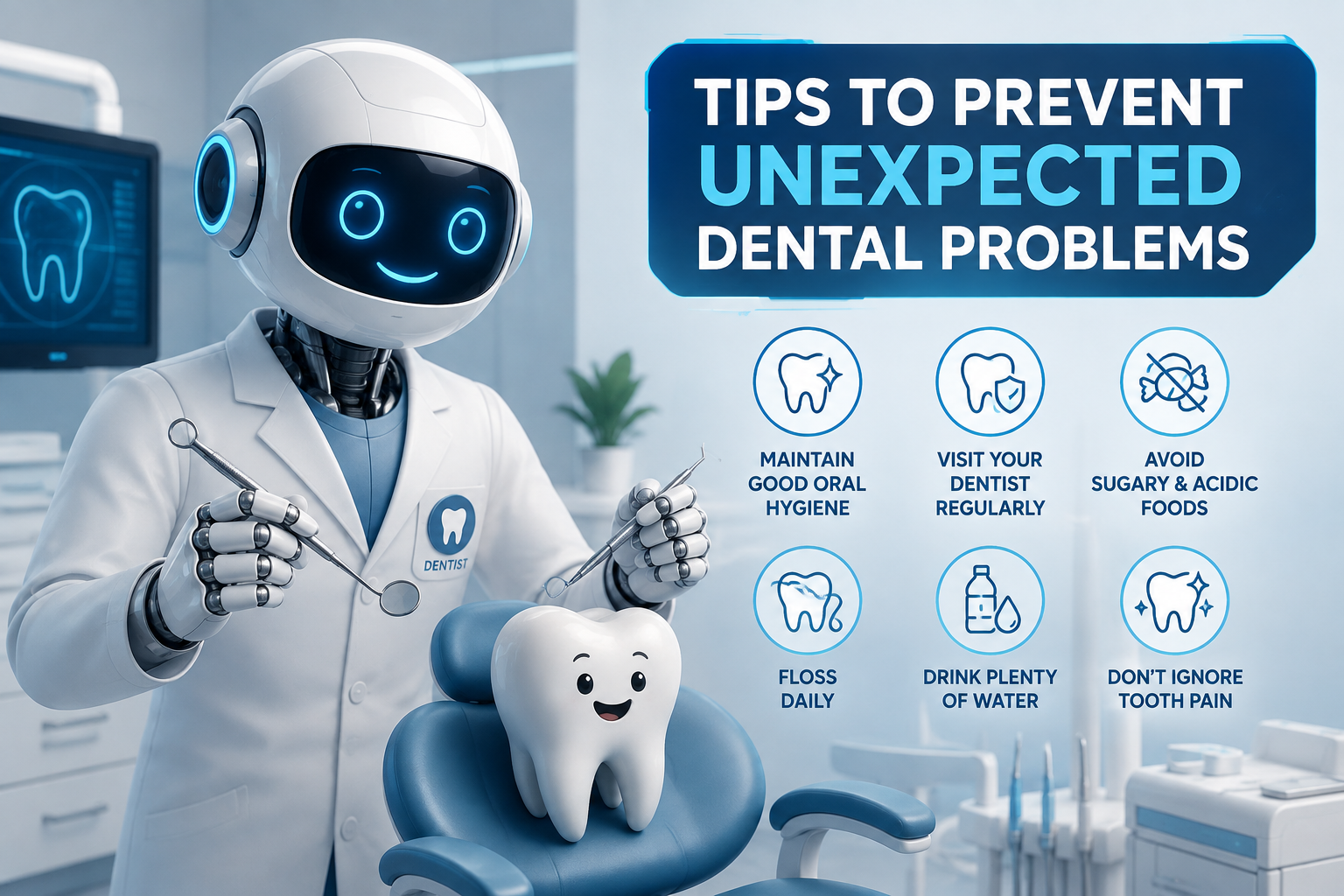
Tips To Prevent Unexpected Dental Problems
Dental emergencies rarely happen without warning. Little problems often arise subtly before turning into terrible toothaches, fractured teeth, infections, or swollen gums. A little everyday maintenance and regular care can keep a lot of these issues from getting painful and costly. Looking after your teeth goes beyond simply having a beautiful smile; it is about preserving your general health and avoiding events that interfere with daily life. Even with the best routines, crises can still happen; therefore, it is always wise to know where to find an Emergency Dentist Manchester. Still, the most efficient approach to lower the risk of unforeseen dental issues and keep strong teeth for years to come is still prevention.
Stay Alert For Minor Warning Signals.
Many people wait before seeing a dentist until the pain is intolerable. Though these signs usually point to worsening issues, sensitivity to hot or cold beverages, sporadic gum bleeding, bad breath, or mild pain appear insignificant. Early attention to minor problems often calls for less aggressive treatment and keeps them from turning into serious crises. One of the best methods to guard your dental health is by paying attention to your mouth.
Create Improved Daily Routines
Good teeth come from regularity rather than sporadic effort. Using a soft-bristled toothbrush and fluoride toothpaste, brush twice a day. Use floss or interdental brushes to get rid of food particles that brushing by itself can’t reach. Changing your toothbrush every three months also helps with cleaning power. Over time, little everyday behaviours done often greatly change.
Pick Meals That Help Your Teeth To Stay Strong
Your oral health is directly influenced by your diet. Fresh fruits, veggies, milk products, nuts, and meals high in calcium all help to strengthen teeth and keep gums healthy. At the same time, try to cut sweets, fizzy beverages, and sticky treats that promote harmful germs. All through the day, drinking lots of water also helps keep a better mouth and flush away food particles. Good food helps keep your teeth strong.
Guard Your Teeth Throughout Sports Activity
Sports and recreational activities can occasionally result in dental damage. Wearing a well-fitted mouthguard offers significant protection if you play contact sports or engage in activities with a risk of falls. Along with safeguarding the jaw from impact, a mouthguard helps lower the likelihood of chipped, fractured, or knocked-out teeth. Simple protective gear can help you avoid painful damage.
Plan Regular Dental Checkups.
Regular dental visits are still among the most sensible forms of prevention. Before they hurt, dentists may spot cavities, gum disease, worn fillings, and other issues. Professional cleaning also helps remove firmly set plaque that brushing on its own cannot remove. Regular checkups help minor issues be addressed before they turn into emergencies.
Stay Away From Practices That Hurt Teeth
Some daily routines stress your teeth unnecessarily without your knowing. Gradually weakening enamel or creating chips, chewing ice, biting fingernails, opening packets with your teeth, or grinding your teeth while sleeping helps. Your dentist might advise a protective night guard if you have teeth grinding. These habits support the maintenance of your natural teeth and so lower your risk of unforeseen dental issues.
Control Stress for Improved Oral Health
Stress can influence your mouth in addition to your mental health. Many individuals tense or grind their teeth during trying circumstances, therefore putting more strain on the jaw and teeth. Stress may also cause poor dietary choices or neglected dental care.
Get Ready for Any Eventuality
Though very well cared for, accidents can occur. Knowing basic dental first aid might help a lot. Seek quick dental treatment and gently handle the knocked-out tooth by the crown rather than the root. Avoid postponing expert care for major tooth pain or swelling. Having your dentist’s contact information easily accessible ensures you may react swiftly should an emergency arise.
Conclusion
Simple daily decisions help one to avoid unforeseen dental issues. Good dental care, regular dental examinations, a balanced diet, protective equipment during sports, and awareness of early warning indicators taken together help to preserve the condition of your teeth. Though they cannot always be avoided, many significant dental problems result from problems that might have been handled sooner.