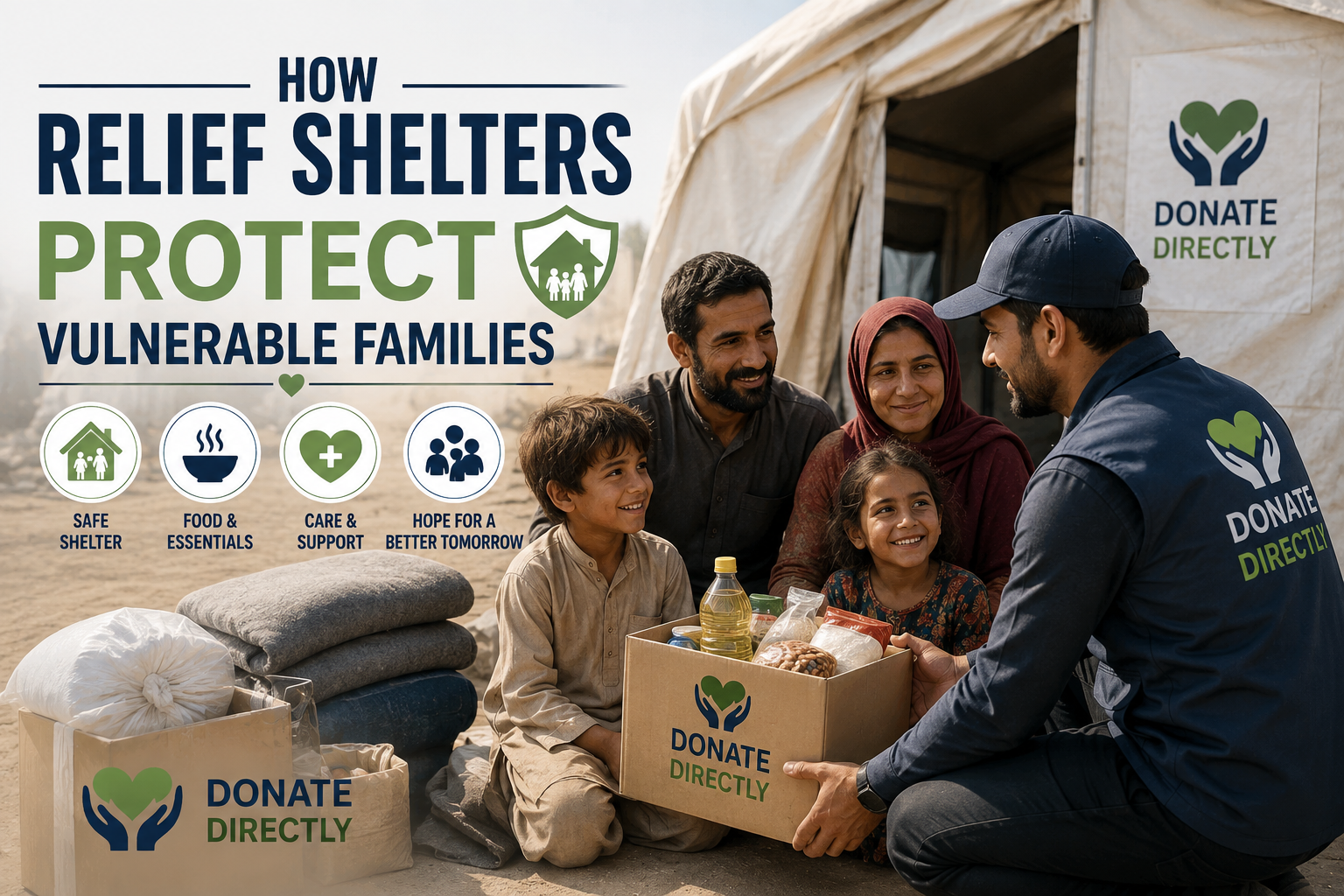
How Relief Shelters Protect Vulnerable Families
Life can turn without notice. A natural disaster, domestic crisis, financial hardship, or sudden emergency can leave families without a safe home. Having fast access to safe housing can mean all the difference in these trying times. Relief shelters give stability, respect, and hope in addition to a short-term roof. They are most needed. An Emergency Shelter offers a haven for underprivileged families to start over. Beyond food and housing, these shelters link individuals with healthcare, therapy, education, and community help. They help families restore trust and move toward a more stable future by acting as a link between crisis and recovery.
Giving Safety In Times Of Emergency
Any relief shelter’s first aim is keeping people safe from immediate threat. Whether families are fleeing domestic abuse, recuperating from floods, fires, or unexpectedly homeless, shelters offer a safe place where they may sleep free from fear. This feeling of security helps grown-ups concentrate on major decisions while children experience stability during erratic conditions.
Meeting Basic Daily Needs
Families under emergency sometimes go without essentials. By offering clean sleeping quarters, healthy meals, drinkable water, clothes, hygiene goods, and necessities, relief shelters support. Meeting these basic demands lowers tension and enables families to concentrate on plans instead of daily survival concerns. Additionally redeeming dignity during a very trying time is access to basic pleasures.
Helping Kids’ Emotional Health
Sudden life changes could significantly impact kids. Relief shelters provide child-friendly spaces where young people may play, learn, and interact with others in a secure setting. Organised events, educational support, and loving personnel help to calm children while also giving them a sense of normality. Keeping routines and positive experiences supports healthy emotional development even when things are tough. Encouraging security for children also enables parents to recover with more confidence.
Linking Families With Professional Help
One component of the recovery process is temporary housing. Many shelters offer legal advice, employment support, social workers, counsellors, and medical professionals, among others. These experts create practical future plans for families and help them address the fundamental problems that led to their crisis. One location with access to several support resources helps recovery go more smoothly and less taxing.
Developing Community Rather Than Isolation
Often leaving individuals feeling lonely, emergencies come unexpectedly. Relief shelters help people and families who have had similar experiences to support one another and get emotional support. Shared meals, group projects, and community activities help to build social ties and so help to lower loneliness. Understanding that others have overcome difficulties can help one to be resilient and hopeful.
Supporting Families Reclaim Autonomy
A relief shelter serves not just to offer temporary lodging. Many initiatives try to help families recover their independence through financial planning, housing support, education, job search help, and life skills training. Rather than growing reliant on momentary support, these services help individuals to reclaim control of their lives. Long-term success comes from developing opportunities rather than only offering short-term fixes.
Getting Communities Ready For Future Crises
Before calamities strike, relief shelters are also quite vital. Many companies teach people about first aid, disaster response, evacuation planning, and emergency readiness. These educational initiatives support families’ more successful reaction when future crises strike and increase community resilience. Being ready helps to lower anxiety and raise the chance of quicker healing following unforeseen circumstances. Equipped with practical know-how, communities grow stronger.
Bringing Hope Back Through Empathy
One of the most important things a relief shelter offers cannot be counted. Families sometimes show up anxious, tired, and unsure of the future. Kind, motivating, and reassuring staff members and volunteers provide this during one of the most trying times of their lives. Basic gestures of respect and understanding help rebuild confidence and remind families that they are not facing their obstacles alone.
Conclusion
Relief shelters offer much more than just quick housing. They give families safety, necessities, emotional support, expert advice, and chances to rebuild their lives with dignity and confidence.
is about building routes toward long-term stability, resiliency, and hope for a better future as much as it is about meeting immediate demands. By protecting vulnerable families during times of crisis and helping them regain independence, relief shelters strengthen both individuals and communities.