How Emergency Relief Supports Families in Crisis
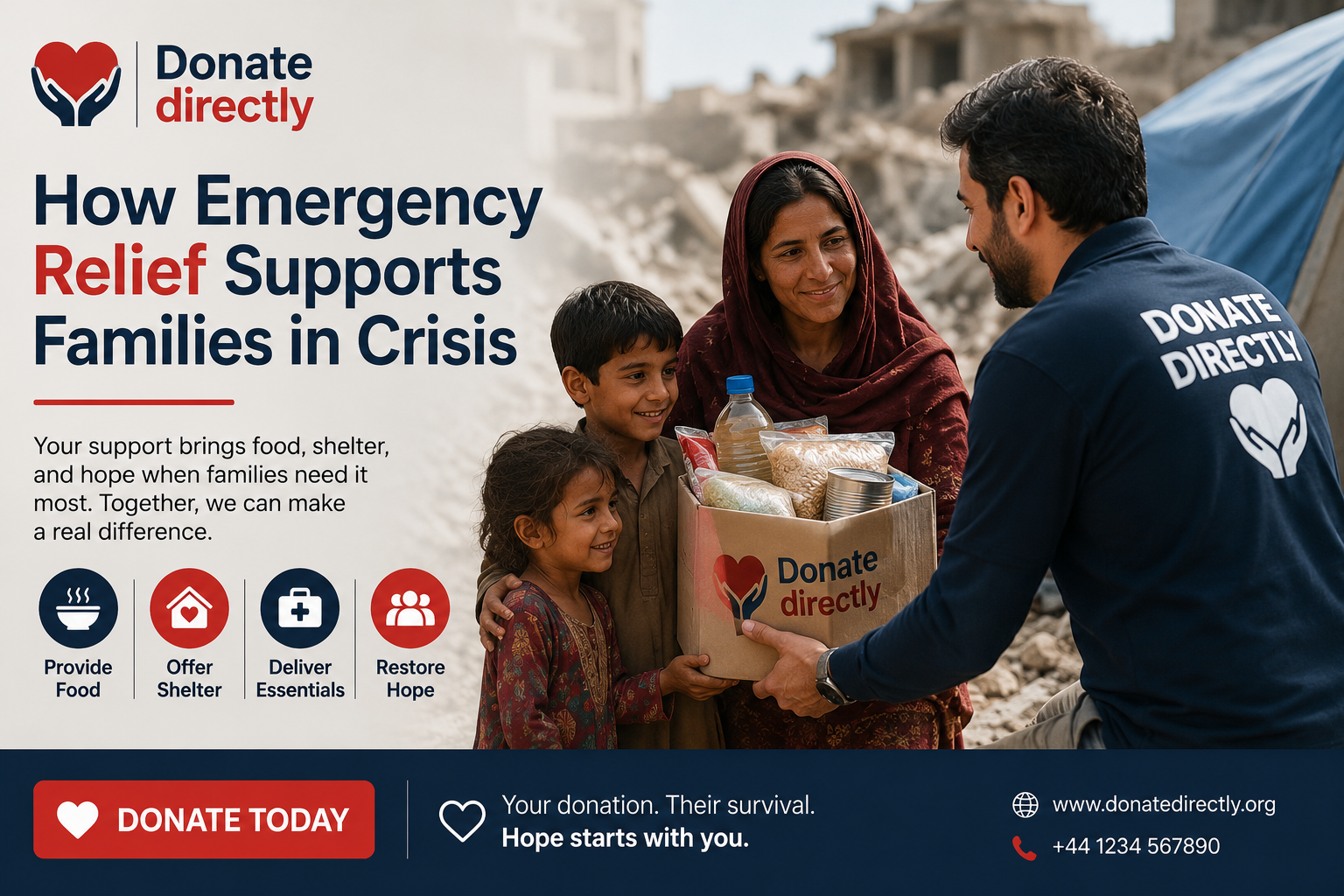
For families facing one of the worst crises in the current age, humanitarian aid has grown to be a lifeline in Gaza. The magnitude of need is overwhelming, with 1. 9 million people displaced and 86% of households having difficulty accessing safe sanitation. Emergency aid not only offers physical assistance but also brings back the sense of worth that families have lost. Every intervention, from shelter and medical care to food packages and safe water, assists families in rebuilding and surviving. Families may get necessities such as hot meals, medicine, and clean drinking water by contributing to the Gaza Emergency Appeal Donate, which helps finance these life-saving programs for those who are motivated to help.
Food aid is reaching underprivileged families.
With an estimated 1. 4 million people suffering from crisis or worse acute food insecurity, food insecurity continues to be a danger in Gaza. Since the cease-fire, emergency food assistance has greatly increased; in May 2026, food packages alone reached over 1. 5 million people. More than a million people receive food baskets from the World Food Programme each month, and around 350,000 hot dinners are served each day in communal kitchens. While these actions have aided in combating hunger, the issue is still delicate since 80% of Gazans are unemployed and unable to buy fresh food.
Saves Lives and Prevents Illness
Although access to safe water is a matter of life and death, 82% of families in Gaza are water insecure, and up to 70% are unable to obtain even six litres per person each day, which is far below emergency standards. Desalination, water trucking, and solar-powered pumps are all part of emergency aid. More than 1. 15 million individuals have had access to safe drinking water thanks to UNICEF during the first half of 2026. A gift to the Gaza Emergency Appeal may support clean water initiatives; some organisations give 3,000 litres of potable water per month for as little as £96.
Giving Families Choice Through Cash Transfers
Because they give folks their options and self-worth back, cash transfers are among the finest types of emergency help. Whether it’s medicine, fresh vegetables, or diapers for a newborn, families understand their needs best. With secure digital e-wallets, UNICEF, the largest cash transfer provider in Gaza, has reached 1 million people, including 588,000 children. According to recipients, the cash is used to purchase medication, diapers, fruits, and vegetables. One mother said, “We have no idea what to do next when the assistance doesn’t show up. ”
Bedding and Shelter Keep Families Dry from the Elements
Housing is a critical need, as 2. 1 million people in Gaza have been uprooted. Less than 1,000 tents are left because there aren’t many tents or necessities. Tarpaulins, bedding kits, kitchen sets, and sealing-off kits are all part of emergency aid. Shelter Cluster partners provided such things to 36,210 households in June 2026. As winter approaches, the UN warns that families urgently need long-term housing solutions and ongoing access to resources to keep them safe from the cold.
| Visit theslylarbox More Informartive blogs |
Healthcare Access for Those in Need
Hospitals are overcrowded and vital supplies are running out, putting the healthcare system in Gaza under strain. Mobile clinics are supported by emergency assistance funding and travel among shelters to offer necessary paediatric care, gynaecological procedures, and treatment for chronic diseases. With UNICEF’s assistance, 487,000 women and children received basic healthcare services during the first semester of 2026. In addition to addressing mental and physical health needs, organisations that operate mobile clinics also provide safe referral procedures and psychological first aid.
Children are shielded against malnutrition through nutritional support.
Following the scale-up of nutrition programs, acute malnutrition in children has decreased, but the benefits are still fragile. It’s estimated that 74,000 kids will still need treatment for acute malnutrition in the next year, and 25,000 pregnant and nursing moms will need nutritional assistance. Emergency assistance offers advice on feeding infants and young children, screens for malnutrition, and treats acute situations. Between January and June 2026, 19,425 children were checked for and treated for severe malnutrition.
Reducing the risk of disease by improving hygiene.
Severe health risks, including a greater number of disease vectors like rats, are caused by insufficient latrine access and unsafe waste disposal. Almost all of the infrastructure for water and sanitation has been ruined or lost. Sanitation facilities, hygiene supplies, and menstrual hygiene kits are all part of emergency assistance. During the first half of 2026, 298,000 people got humanitarian cash assistance, and 516,000 gained access to sanitation services. To prevent disease outbreaks that may undermine nutritional achievements, it is essential to restore water, sanitation, and health systems.
Conclusion
By attending to the most pressing needs of families in crisis while upholding their dignity and independence, emergency relief improves lives. Every intervention, whether it is food deliveries and safe water or monetary transfers and psychological support, is a crucial thread in the textile of life. Yet, these advancements are precarious and rely on continuous access, money, and the capacity to provide aid securely. Since there are still 2. 1 million people in Gaza who need help, the international community must increase its support. Families can live now and start rebuilding tomorrow with every donation to an emergency appeal.