How to Choose Day Care for Early Learning Success
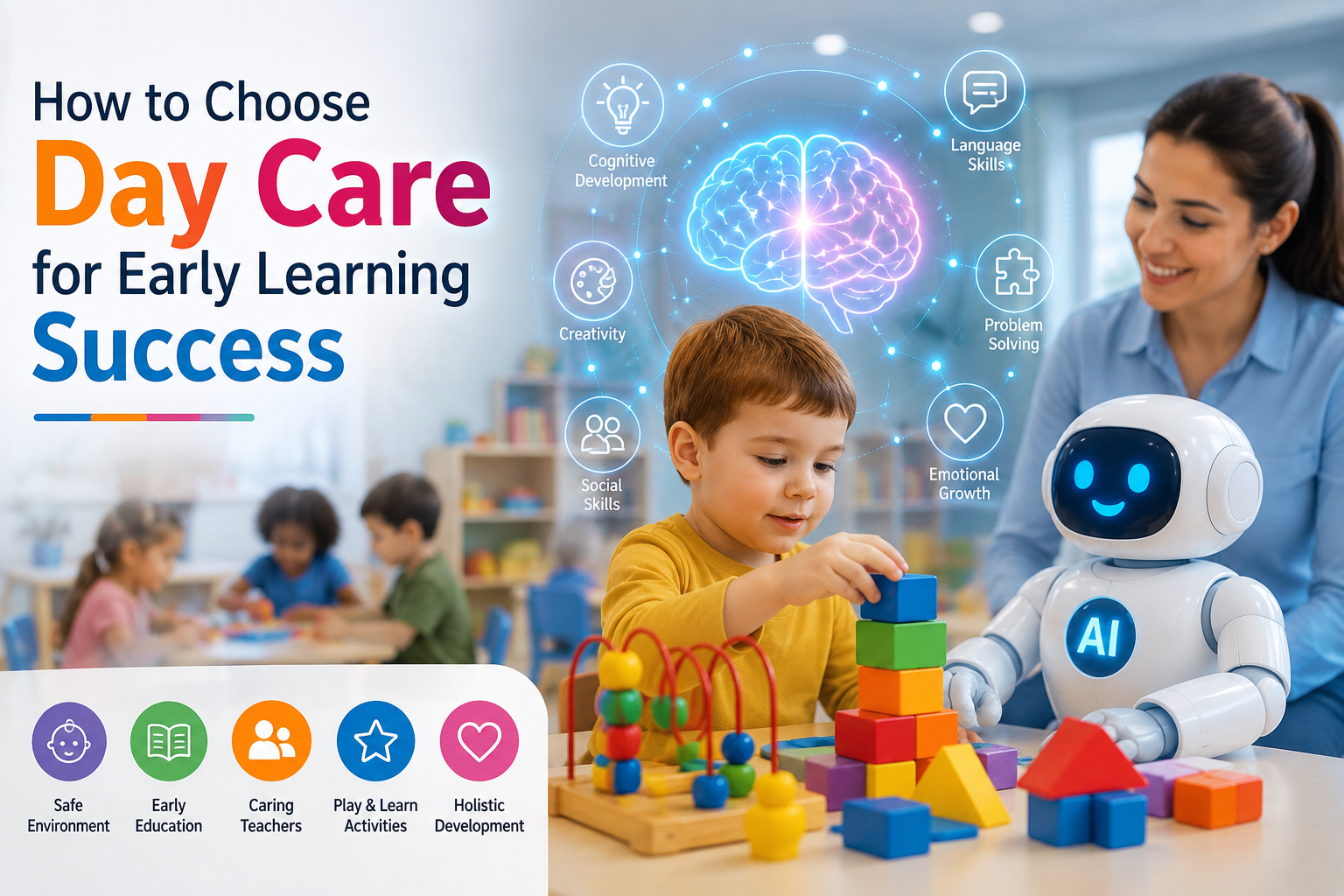
One of the first important choices parents make for their child’s future is the day care. Though safety and convenience are crucial, the finest day care does much more than just watch over kids all day. By means of play, interaction, and exploration, it fosters an atmosphere where curiosity blossoms, confidence grows, and early learning occurs naturally. Early years events sometimes determine youngsters’ learning strategy for future life. Good Day Care Services help kids to grow socially, emotionally, physically, and cognitively in a friendly environment. Though deliberate consideration is needed to select the best centre, doing so can provide youngsters a solid foundation for future success.
Consider Beyond the Actual Building
A lovely structure does not always ensure a good education. When you go to a day care, notice how the kids interact with the staff and with one another. Happy, involved kids usually point to a good environment where learning is interesting instead of forced. Check whether activities foster teamwork, curiosity, and creativity instead of only keeping kids busy. A welcoming environment usually indicates a facility that respects emotional health as well as education.
Qualified Staff Make The Biggest Difference
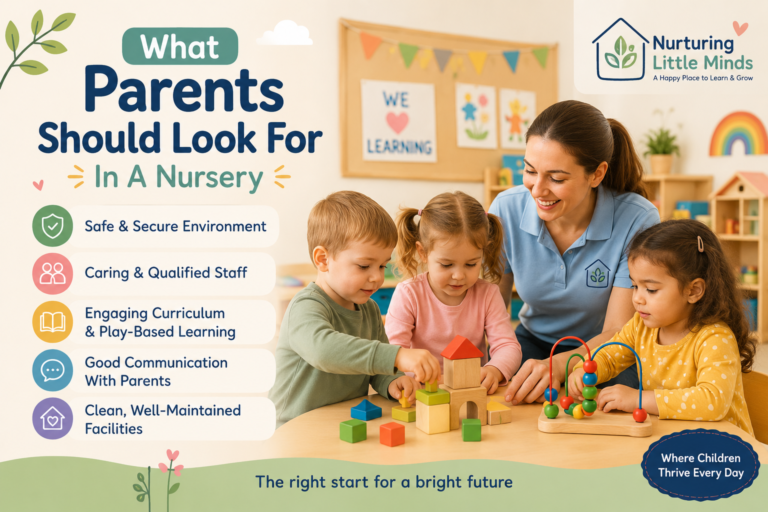
Children learn best when led by kind and competent teachers. Experienced teachers know how to change activities for several age ranges and learning approaches by means of their knowledge of child development. Additionally acknowledging that every child develops at their own rate. Observe how teachers interact with kids. Encouraging communication, patience, and good reinforcement help to inspire trust and confidence. Strong bonds between caregivers and kids foster a setting where learning naturally occurs daily.
Balanced Routine Supports Healthy Development
A balanced routine helps to encourage good development. Routines that mix learning with chances to play and rest help children. Good day care facilities combine quiet time, independent exploring, group engagement, music, storytelling, outdoor play, and creative activities. This balance keeps kids from getting too stressed and helps them to grow a great variety of skills. A flexible schedule also helps kids learn structure without inhibiting their natural curiosity.
Play Is One Of The Greatest Teachers
Meaningful play most helps young children learn. Building blocks help youngsters to solve problems; art fosters creativity; role-playing promotes communication; outdoor activities enhance coordination. Good day care plans integrate play and education instead of isolating them. When kids love learning, they start to be more ready to explore fresh ideas, answer questions, and solve problems. Play generates experiences that books by themselves could not offer.
Talking To Parents Matters A Lot.
Selecting a day care also entails selecting a collaborator in your child’s growth. Parents who communicate regularly can better grasp how their child is developing and what they are learning. Search for centres offering daily updates, learning summaries, or chances to talk to teachers about progress. Children get constant support both at home and in day care when parents and caregivers cooperate. Effective communication helps achieve better results and helps to generate trust.
Safety Builds Trust
Children learn most effectively when they feel safe. A good day care should keep neat spaces, safe access systems, age-appropriate equipment, and straightforward emergency plans. Emotional safety is also very important. Children should be valued, included, and pushed to freely express themselves without fear. Knowing encouraging adults are close and secure surroundings help youngsters to explore, learn from errors, and build confidence.
Promote Independence From The Start.
One of the best advantages of day care is the encouragement it provides for kids to grow more autonomous. Simple tasks like cleaning up toys, washing hands, selecting activities, and sharing chores help them learn important life lessons. By means of encouragement of responsibility and decision-making, these daily events help youngsters get ready for school and boost their self-assurance. Gradually, independence grows from encouragement rather than pressure. Children who feel competent often approach fresh learning opportunities with more excitement.
Consider Long-Term Growth.
One shouldn’t only consider current demands while selecting a day care. Think about how the centre helps kids get ready for future learning by supporting creativity, social interaction, emotional resiliency, and communication. A good early learning programme develops curiosity instead of just teaching letters and numbers. The aim is to support youngsters in developing into self-assured learners who love learning new concepts throughout their schooling. Early development starts from the formation of good experiences in the early stages of life.
Conclusion
Good day care is much more than merely providing a secure environment for kids while the parents work. It provides a learning atmosphere that allows little brains to discover, learn, make friends, and acquire vital skills. Parents will be able to select a daycare that will offer value to their kid’s future life by going beyond the facility, finding a good educator, emphasizing the play method, keeping communication open, and promoting the independence of children.