
What Parents Should Look For In A Nursery
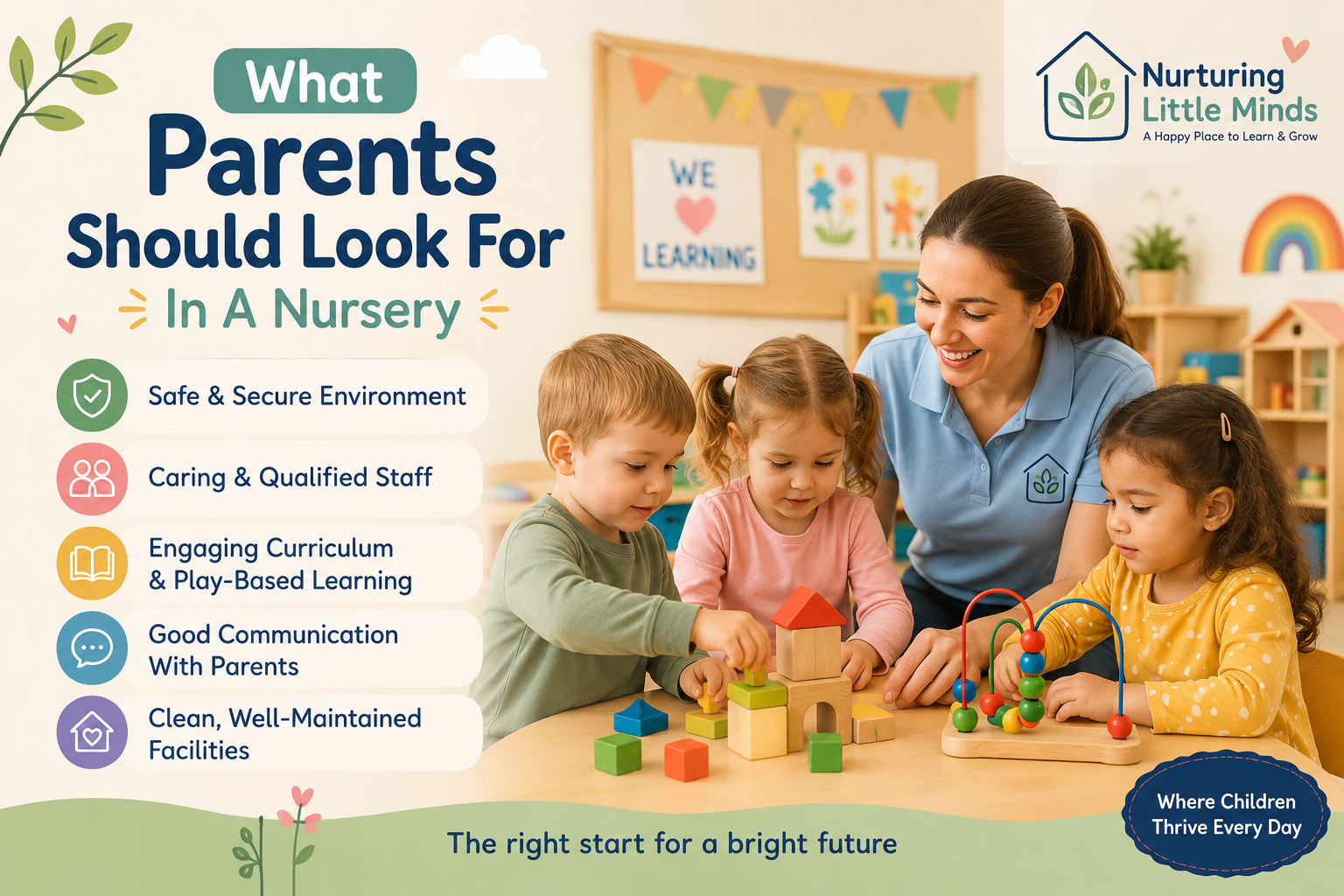
Deciding on a nursery can seem like a major decision. Parents want more than a daily schedule and a safe room. Their youngsters should feel at ease, appreciated, and eager to learn wherever they want. Early years help to develop independence, communication, social skills, and confidence. Through meaningful activities and supportive routines, a nursery should support all these areas. Looking at a place like Leafield House Nursery can also enable parents to see what to expect from a child-centred early learning setting. The ideal option should fit your child’s particular needs and be inviting and well-arranged.
An Inviting And Safe Environment
Always give safety top priority. Parents should carefully examine the nursery’s outdoor spaces, entryway, rooms, and play tools. The environment ought to appear clean and nicely kept. Staff ought to keep a close eye on kids during both indoor and outdoor activities. Additionally, secure doorways guard against unwanted access. Safety, however, goes beyond just physical security. Children ought also to be emotionally secure. A warm atmosphere will enable them to settle more quickly and develop trust with friendly adults. Observe youngsters’ behaviour during a visit. Are they under pressure? Staff members answer gently when a child asks for assistance. These little things might reveal a great deal.
Compassionate And Knowledgeable Staff
Those who work with children help to shape their nursery experience. Parents ought to inquire about staff qualifications, experience, and continuous training. Good doctors know that children grow at various rates. They watch every child and make changes when necessary. Additionally, staff ought to clearly interact with parents. They should provide daily updates on routine, meals, behaviour, and learning. A good connection between parents and staff members helps them be consistent. Children do better when the significant people around them collaborate.
Learning Through Play
Play helps young children to learn naturally. A good nursery should offer activities that spark inquiry instead of only keeping kids occupied. Look for chances to build, draw, play music, read stories, solve puzzles, role-play, and play imaginative games. These activities can help children improve their language, coordination, memory, and problem-solving abilities. Outdoor play also counts. Running, climbing, balancing, and exploring nature all help kids build physical confidence and learn about their environment. Inquire how the nursery intends events. Usually, the best settings mix organised instruction with plenty of freedom for exploration.
Daily Schedules That Fit Children
A regular schedule gives little kids a sense of security. Parents should inquire how the daycare sets meals, naps, play, learning sessions, and outside activities. The program ought to offer organisation without being excessively fixed. Children need time to make decisions, even if they also have to follow instructions. Mealtimes and snack arrangements are also important. Find out about menus, allergies, dietary needs, and staff assistance for youngsters during meals. A well-organised day would combine activity and relaxation. It should also fit the needs of the children as they develop and as they get older.
Parental Communication
Good communication simplifies daily life in the nursery for everyone. Parents ought to understand how the kindergarten distributes daily information on their child. Certain systems run digital updates. Others depend on regular meetings, written notes, or dialogues. The quality of communication counts more than the approach. Parents ought to feel free to inquire. The personnel ought to pay attention and respond precisely. It’s also beneficial to inquire how the nursery addresses issues. A clear-cut approach indicates staff members treat parents seriously. Parents can encourage learning at home and grasp their child’s development when communication is effective.
Personalised Care And Growth
Each youngster has a unique nature. Early on, some youngsters naturally speak boldly. Others need extra time to grow at ease in group environments. A good preschool understands these variations. Staff note kids’ interests, strong points, and areas where they need help. Inquire how professionals monitor growth. They ought to have a clear plan for monitoring development without undue pressure on young children. Personalised attention can also foster independence in youngsters. Simple chores like tidying up toys, selecting an activity, or assisting with snack time can inspire self-assurance.
Conclusion
Selecting a nursery calls for more than just looking at locations or costs. Parents should weigh safety, staff quality, learning possibilities, routines, communication, and personal care. A decent nursery helps kids develop more independence, discover, play, talk, and grow more. It also encourages parents to be active in the early development of their child.